Water Solutions
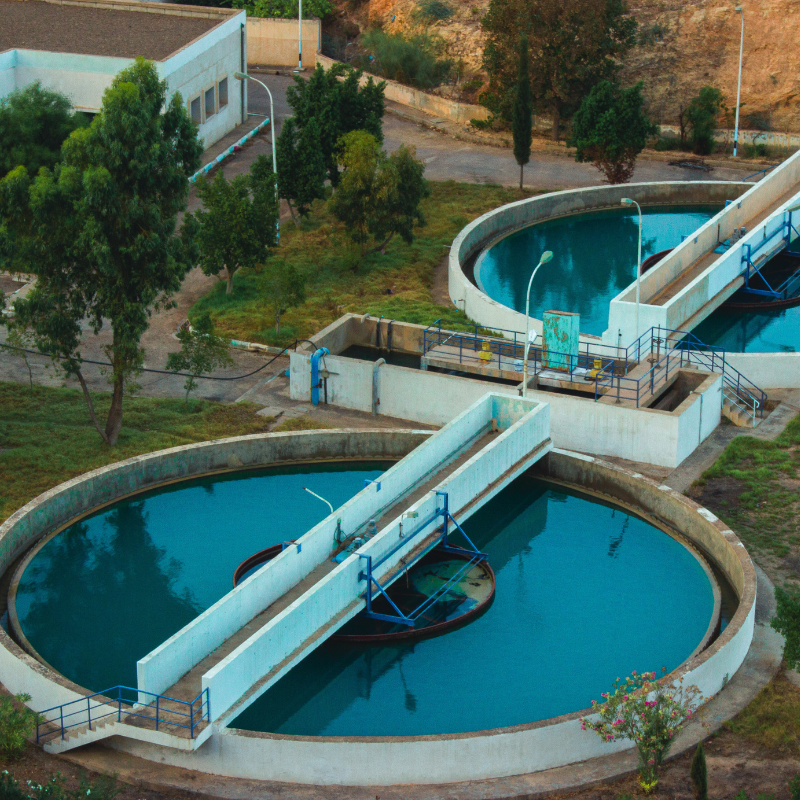
Treatment Plant Design
Treatment plant design is a complex and challenging task that requires a deep understanding of engineering principles and environmental regulations. At 4D, we have a team of experienced and qualified engineers who can help you to design a treatment plant that meets your specific needs and budget.
We offer a wide range of treatment plant design services, including:
- Conceptual design: We will work with you to develop a concept for your treatment plant that meets all of your requirements.
- Detailed design: Once the concept design is approved, we will develop detailed drawings and specifications for your treatment plant.
- Construction engineering: We can provide construction engineering services to help you to build your treatment plant on time and within budget.
Engineering Design
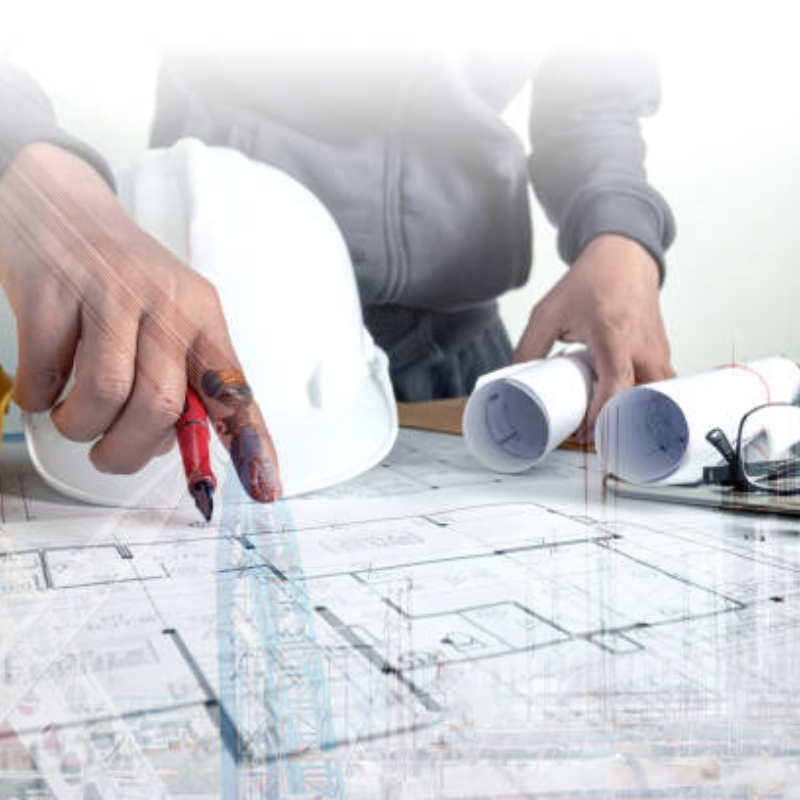
Engineering design is the process of applying engineering principles to create solutions to real-world problems. It is a creative and iterative process that involves identifying and understanding the problem, brainstorming and evaluating solutions, and designing and implementing the best solution.
The engineering design process typically involves the following steps:
- Identify the problem. What is the problem that needs to be solved? What are the specific requirements for the solution?
- Brainstorm and evaluate solutions. What are all of the possible solutions to the problem? Which solutions are the most feasible and effective?
- Design and implement the best solution. Once the best solution has been selected, it needs to be designed and implemented. This may involve creating drawings, developing prototypes, and conducting tests.
- Evaluate the solution. Once the solution has been implemented, it needs to be evaluated to ensure that it meets the requirements and solves the problem.

Plant Repairs
Plant repairs are essential for keeping your plant running smoothly and efficiently. When a plant breaks down, it can cause lost production and revenue. That’s why it’s important to have a reliable plant repair company on your side. At 4D, we specialize in plant repairs of all types. We have a team of experienced and qualified technicians who can quickly and accurately diagnose and repair any problem with your plant. We understand that downtime can be costly, so we work quickly to get your plant back up and running as soon as possible.
We offer a wide range of plant repair services, including:
- Electrical repairs
- Mechanical repairs
- Hydraulic repairs:
- Pneumatic repairs

Plant Instrumentation & Control
Plant Instrumentation & Control (I&C) is the use of instruments and controls to monitor and manage industrial processes. I&C systems are used in a wide variety of industries, including oil and gas, chemical, food and beverage, and manufacturing.
Some of the benefits of Plant Instrumentation & Control include:
- Improved safety: I&C systems can help to improve safety by monitoring for hazardous conditions and taking corrective action to prevent accidents.
- Increased efficiency: I&C systems can help to increase efficiency by optimizing the process and reducing waste.
- Improved product quality: I&C systems can help to improve product quality by ensuring that the process is operating within the desired parameters.
- Reduced environmental impact: I&C systems can help to reduce environmental impact by monitoring and controlling emissions and waste.

Engineering Drawings
Engineering drawings are technical drawings that communicate the design intent of an engineer. They are used to convey the geometry, dimensions, and tolerances of a product or component. Engineering drawings are essential for manufacturing and construction, as they provide the necessary information to produce the product or component as designed.
Engineering drawings are essential for a variety of engineering disciplines, including:
- Mechanical engineering: Mechanical engineering drawings are used to design and manufacture a wide variety of products, such as machinery, tools, and vehicles.
- Civil engineering: Civil engineering drawings are used to design and construct infrastructure, such as bridges, roads, and buildings.
- Electrical engineering: Electrical engineering drawings are used to design and manufacture electrical systems and components.
- Aerospace engineering: Aerospace engineering drawings are used to design and manufacture aircraft and spacecraft.
Piping Mapping
Piping mapping is the process of creating a map of the piping systems in a building or facility. Piping maps are used to document the location and routing of pipes, as well as the type of material used for each pipe. Piping maps are essential for maintenance and repair, as they allow workers to quickly and easily locate the pipes they need to work on.
Once a piping map has been created, it can be used for a variety of purposes, including:
- Maintenance: Piping maps can be used to identify the location of pipes that need to be maintained or repaired.
- Safety: Piping maps can be used to identify the location of hazardous pipes, such as pipes that carry flammable or toxic materials.
- Construction: Piping maps can be used to plan and coordinate the construction of new piping systems.
- Renovation: Piping maps can be used to plan and coordinate the renovation of existing piping systems.